

(+91) 97260 97222
We are open 9 AM - 6 PM
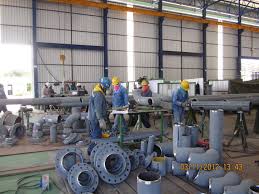
Structure & Piping Fabrication
Scope & Objective
Structure and piping fabrication plays a vital role in the successful execution of industrial, infrastructure, and energy projects. This scope involves the cutting, shaping, welding, and assembling of steel structures and piping systems as per project drawings and technical standards. The primary aim is to ensure precision fabrication of structural components like beams, columns, trusses, and platforms, along with pipe spools, fittings, and supports made of CS, MS, or alloy material. All fabrication work is carried out in accordance with client specifications, applicable codes (like ASME, AWS, or IS standards), and inspection hold points.
Fabrication Process & Execution
Structural and piping elements are fabricated in controlled shop environments or on-site, depending on project needs. Raw materials are received and inspected for compliance, followed by cutting (via oxy-acetylene, plasma, or mechanical saw), beveling, fit-up, and welding operations. Welders are qualified per WPS/PQR standards and procedures are executed under supervision of QA/QC engineers. Dimensional checks, NDT testing (like RT, UT, MPI), and visual inspections are part of the quality workflow. Marking, traceability, and fabrication logs are maintained to ensure end-to-end documentation.
Quality, Safety & Coordination
All fabrication work adheres to strict safety protocols including hot work permits, PPE usage, gas cylinder storage practices, and fire watch deployment. Coordination between planning, engineering, and fabrication teams ensures that shop drawings, MTO, and job cards are clearly followed. Daily fabrication progress is monitored and reported, with interface planning between fabrication and erection teams for timely delivery. This phase directly contributes to structural integrity, project timelines, and readiness for erection or installation phases.

M/s Shreya Enterprises was founded by Mr. Rajeev Kumar Tiwari during the year 2016. The company has grown by its strength, mainly manpower and its rich experience. We are successful in earning and maintaining good will in all our areas of operation on account of our sincerity in dealings, quality consciousness of our men and our enthusiasm to deliver goods & services in time.
 335, 3rd Floor, Shilpi Square, Opp. Nagori Dairy Bypass Road Bharuch, Dist. Bharuch, Gujarat 392001(India)

